In 2023, my mother and I were hit by a drunk driver.
Paramedics were called to the scene and checked us out, but we didn’t ride with them to the hospital.
My mom had declined for them to take us to the hospital. Instead, we had my sister take us.
My mom, being a breast cancer survivor, is no stranger to paying thousands of dollars in medical bills. Unfortunately, it’s normal within the American healthcare system for people to spend their life savings on medical care. Approximately 14 million Americans, or 6% of the population, owe over $1,000 in medical debt.
The US has significantly higher healthcare spending compared to other high-income countries. This is while the US is the only high-income country without a universal health care system for its citizens. And despite 90% of the population having some sort of health insurance, medical debt remains a persistent issue for everyday Americans.
Sadly, even with having health insurance, my mom was concerned about how costly it would be to ride in an ambulance. We were already burdened with the cost of medical care despite having health insurance. If we had limited or no insurance, how would we be expected to pay?
The cost of ambulance rides with health insurance coverage varies state to state, but can range from $450 to over $1000.
As healthcare costs continue to rise, recent legislation is going to make these increases more evident. More people may find themselves in a similar position as my family with the passing of the “One Big Beautiful Bill” (OBBB).
How Did This Bill Pass?
Many Americans don’t understand the legislative process, i.e. how a bill is passed. Fortunately for me, in second grade, I was introduced to the bill-passing process through Schoolhouse Rock. Their segment “I’m Just a Bill,” debuted in 1975, but still continues to help easily guide people through the bill-passing process.
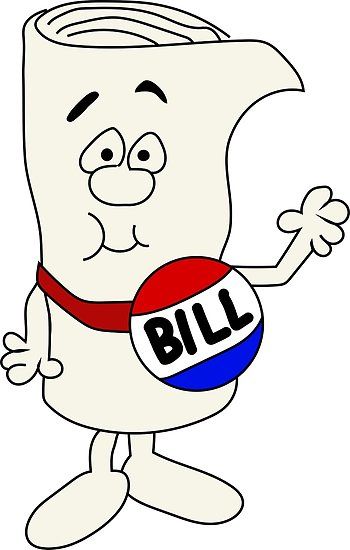
Bill explains his dream of becoming a law. Bills go through a long process before they’re signed into law.
- It all starts with an idea. Individuals see an issue and decide to take action by voicing their concerns to their representatives (that’s how Bill was born!)
- Members of the House of Representatives (House) or the Senate can write up the bill. From there, it’s sent to a specific committee, where it’s reviewed, discussed, and eventually voted on.
- If the bill passes in the House, it moves to the Senate. The same process occurs here, it goes to a committee, gets worked on, and is voted on again.
- When both sides agree, members from the House and Senate meet to iron out any changes. They vote again, and if it passes, the bill is sent to the president.
- The president has the final say: approve the bill (Bill became a Law 🥳) or veto it and send it back.
The “One Big Beautiful Bill” was passed 218 to 214 in the House. Although it passed, the bill was met with strong opposition in the House, where 212 Democrats and 2 Republicans voted against it.
The devastating impacts of this bill inspired Representative Hakeem Jeffries to deliver a record-breaking 8-hour, 44-minute speech on the floor of the House. His speech included reading letters from Medicaid recipients, addressed the rollback of SNAP benefits, and highlighted the overall negative impact this bill will have on millions of Americans.
What is the One Big Beautiful Bill?
On July 4th, 2025, President Donald Trump signed the “One Big Beautiful Act” into law. While touted as a cost saver for the US, this bill negatively targets Medicaid, SNAP, Immigration, Clean Energy, Health care, and additional sectors.
- 10+ million people are projected to become uninsured. More restrictions and requirements will be enforced, which will make it harder to stay on Medicaid and increase processing times.
- Changes in eligibility criteria and language for SNAP may further widen the gap of “SNAP-Gap.” This means people who are eligible for SNAP may remain unaware and won’t enroll in the program.
- A $45 billion cut to Medicaid in 2026 will impact hospitals nationwide, specifically rural hospitals, leading them to close down, contributing to more unequal access to health care facilities.
- The OBBB is creating drastic reversals from the Inflation Reduction Act, which can lead to more projects that are harmful to the environment.
- This bill adds $170 billion to border enforcement. This includes building more detention centers, hiring more ICE officers, prosecution fees, and state grants for border enforcement.
State of American Health Care
The US health system has gone through significant positive shifts over the past few decades. The implementation of the OBBB will dismantle structures within our health system that have been integral to promoting health.
Major changes in the US health system:
- In 1965, Medicaid and Medicare were established to help address the gap in receiving essential care and treatments. 60 years later, Medicaid has helped over 68 million people stay insured and have access to health care.
- In 2010, under the Obama Administration, the “Affordable Care Act” was developed to make health insurance more accessible and affordable. It grew health care access by expanding coverage for people below 138% of the Federal Poverty Level, and also reformed health care delivery methods.
- In 2022, under the Biden Administration, the “Inflation Reduction Act” was signed. This addressed the growing cost of prescription drugs. Through this, insulin was capped at $35 for Medicare recipients, and eligibility for benefits was expanded for Medicare programs.
These huge legislative public health wins have prevented and protected millions of Americans.
This is not to mention that most people with medical debt owe over $1,000.
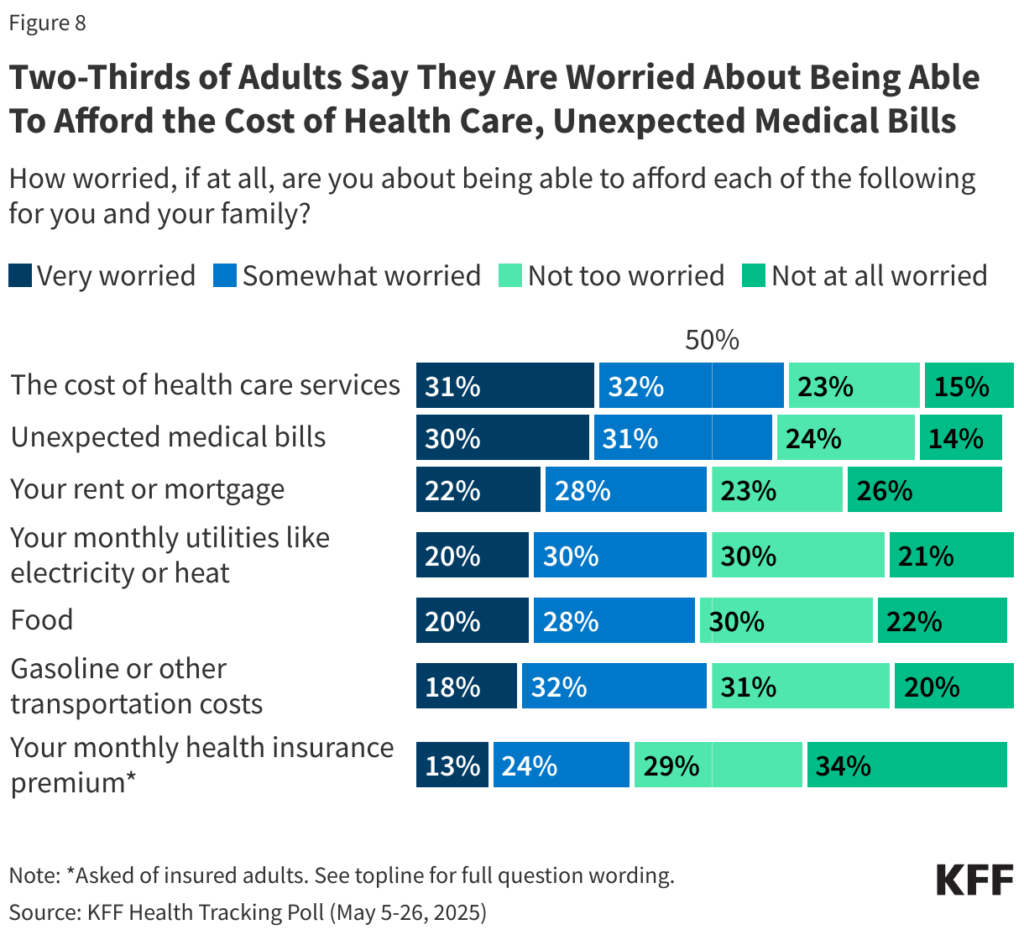
KFF Analysis of Healthcare Costs
Additionally, significant changes are being made that can impact the quality of healthcare. Robert F. Kennedy Jr., Health and Human Services Secretary, recently announced his plans to remove all members of the U.S. Preventive Services Task Force. This task force provides guidance on preventive screenings for conditions like cancer, mental health, heart disease, and many other health-related areas.
A different committee focused on vaccinations had its members dismissed and replaced with individuals lacking a rigorous background in the field. After less than one month, Susan Monarez was removed from her position as Director of the Centers for Disease Control and Prevention. The Department of Health and Human Services announced her termination without notifying her directly. In addition to Monarez’s termination, three other top CDC officials resigned from their positions. The reason noted by the CDC officials was that, under the current administration’s disregard for public health systems, and using evidence-based approaches.
Health policies and recommendations should be formed in collaboration with experts on these topics – public health professionals! Not having professionals with the right expertise in positions of public health influence can sway health outcomes in the wrong direction and ultimately be more harmful than helpful.
Implementation and Progression of the OBBB
Although the OBBB was signed into law on July 4th, when do changes actually start? The bill outlines that some changes will start immediately, and others will be implemented throughout the next couple of years.
- Tax cuts go into effect immediately. The tax cuts look different depending on where you live.
- Changes to student loan repayments will begin in July 2026.
- In December 2026, people enrolled in Medicaid will be required to work or volunteer at least 80 hours.
- Starting October 2028, certain Medicaid recipients will be required to pay $35 per healthcare visit.
- Starting in 2026, open enrollment will no longer be available year-round for low-income individuals.
It should be noted that many parts of this bill will be implemented after the upcoming midterm elections on November 3, 2026. These elections will be crucial for determining the future representatives in the U.S. Senate and House of Representatives.
All 435 seats of the House and 35 Senate seats will be open.
Although certain segments of the OBBB won’t happen until years from now, it’s important to keep the impact of this bill front of mind at the polls. We must advocate for our elected officials to create legislation to counteract the impacts of the OBBB. The 2026 elections are a moment for us to drive change and choose leadership that advocates for health and public health.
Conclusion:
The “One Big Beautiful Bill” is the mark of a treacherous era in American history for health and public health.
This era is going to require us to have more hope, action, and resilience.
We need to tap into the community in different ways. We support local organizations that are helping fill the gap. This could be through donating directly to organizations or volunteering your time to help support their needs.
We can also organize within our communities, partner, and build coalitions. Midterm elections are also a time for us to make our voices heard by actively choosing who we want to represent us.
I want to live in a society where, if I were ever in another accident, I wouldn’t have to worry about medical bills- my only concern would be healing, because the health care system would take care of me.
We deserve much more, and we can get so much more.